Why bites alone cannot identify a pest
A skin mark does not establish which pest, if any, caused it. Keep health concerns separate from the property assessment, and seek appropriate medical advice when needed. For a pest enquiry, concentrate on insects you have seen and the places where activity appears.
Compare bed bug, flea and bird mite signs
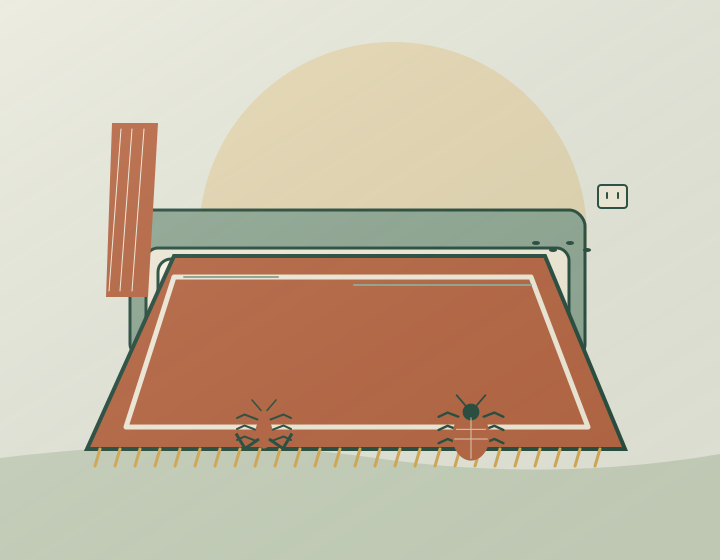
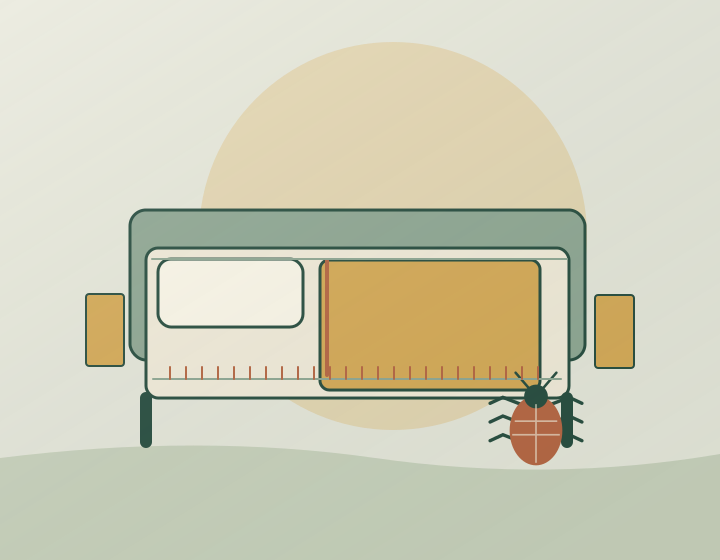
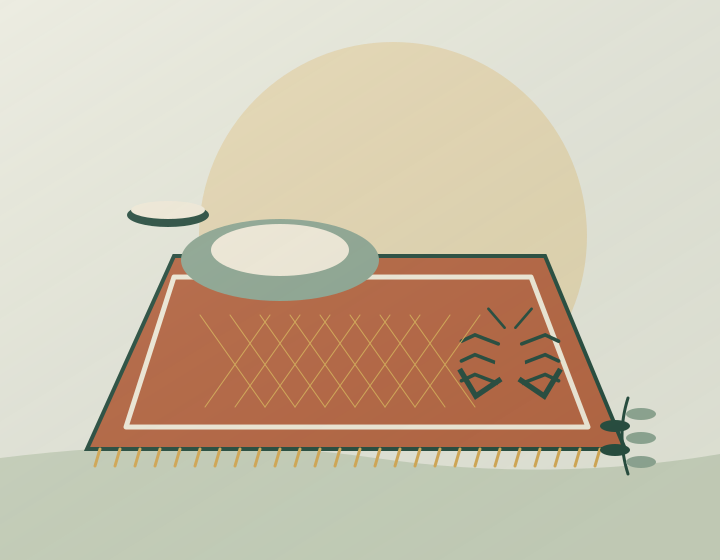
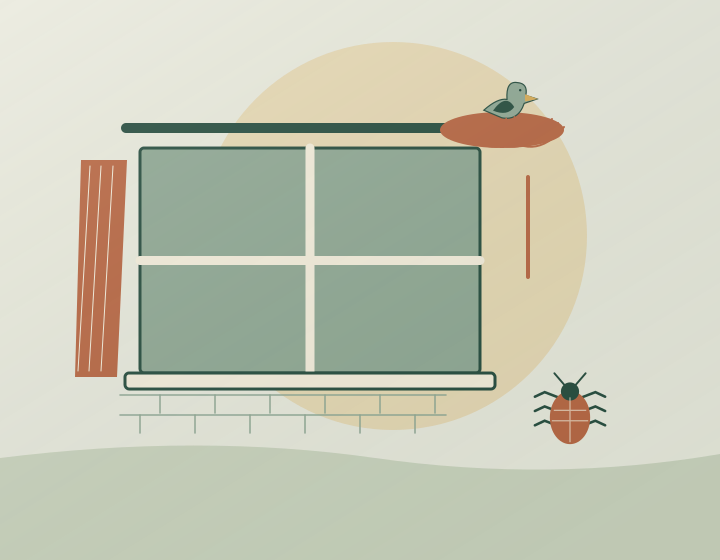
Bed bug enquiries focus on sleeping areas and connected furniture. Flea enquiries concern the premises, including carpets and animal-use areas. Bird mite enquiries may involve activity near roof spaces or bird nesting sites. These are useful starting points, not a diagnosis from location alone.
Evidence for a biting pest assessment
Write down which rooms are involved, when activity was first noticed and whether there is a relevant travel, occupancy, animal or nesting history. Do not assume those circumstances prove a cause. They help the assessor decide what questions to ask and where to investigate.
Confirm the pest before choosing treatment
Ask how identification will be established before a treatment is chosen. Preparation, affected rooms and follow-up can differ between pests. Avoid agreeing to a general spray without understanding the suspected source, the area covered and what you will be asked to do.
Details for a biting pest enquiry
You can begin an enquiry without knowing the species. Explain the observations honestly, including where no insect has been found. Compare the assessment offered and the next steps if identification remains uncertain rather than assuming treatment is always the first action.
Your questions answered
Can bite patterns identify a pest?
Bite patterns alone are not reliable pest identification. Physical evidence and the property context need to be considered, while medical symptoms need medical advice.
What if no insects are visible?
Say that clearly and describe the affected places and timing. An assessment can be scoped around uncertainty rather than a presumed infestation.
Should every affected room be mentioned in an enquiry?
Yes. Mention each area separately and distinguish observed insects from reported bites so the provider understands the evidence.