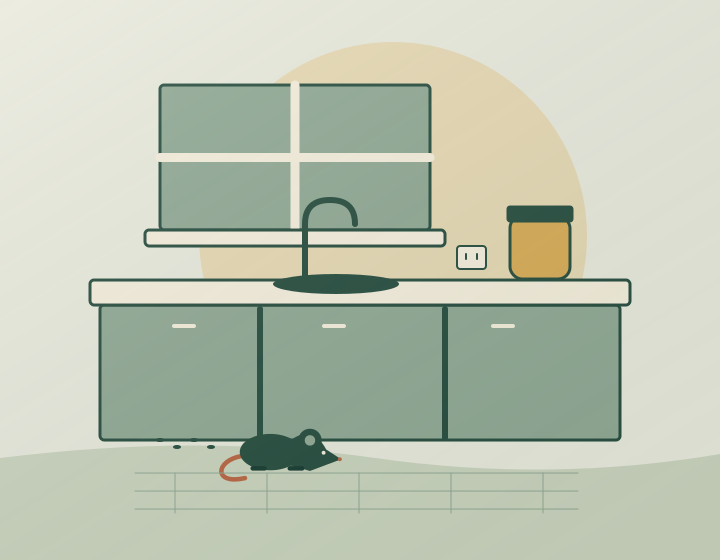
Pest activity in restaurant kitchens and dining areas
Map the sightings to the restaurant: preparation areas, dry stores, dining rooms, delivery points and waste storage. Staff observations can help show whether activity is isolated or reported in several places. Record what was seen without assuming every report involves the same pest.
Assess food stores and preparation routes
Food moves through the premises, and the assessment should reflect those connections. Mention adjoining stores, service routes and areas shared with another business. If the pest is already identified, use its service page for treatment questions while retaining the restaurant-specific scope.
Arrange pest treatment around restaurant service
Explain service times and access restrictions before arranging work. Ask what preparation is needed and how food areas can be used afterwards under the provider's instructions. Do not assume treatment can occur during service or that trading can continue without any change.
Restaurant pest records and follow-up
Agree who receives the findings and who handles recommended actions. Separate the provider's work from cleaning, stock decisions and repairs managed by the restaurant. If monitoring is proposed, check where it applies and how new sightings are reported between visits.
Details for a restaurant pest control quote
Include the relevant rooms, operating pattern and current activity in the quote enquiry. Compare assessment, treatment, return visits and reporting on the same basis. Ask whether proofing and additional call-outs are separate so the proposal fits the restaurant's actual needs.
Your questions answered
Can work be planned around restaurant service?
Ask about available arrangements and give the service schedule. Access and treatment suitability need confirmation; uninterrupted operation should not be assumed.
Does a treatment quote include return visits?
Only if stated. Check the number and purpose of visits and how further activity would be reviewed.
What should kitchen staff record before an assessment?
Note the time, location, observation and any related stock or access issue. Keep reports factual and route them through the manager coordinating the work.